
Loganville Home Remodeling With Workmanship You Can Feel
Kitchens, baths, basements and whole-home renovations for homes in Loganville, Walnut Grove, Monroe and Social Circle, built so doors swing true, drawers glide and tile sits flat underfoot.

Four Things Every Job Gets
-
Checked before it's covered
Framing, waterproofing and new wiring get looked over before drywall or tile hides them for good.
-
One person to call
Your project manager takes your questions from the first visit through the last touch-up.
-
Changes in writing
Anything added or uncovered mid-job reaches you as a priced change order first.
-
Backed after handoff
The rooms we finish are backed by a one-year warranty on our work.
Where the Workmanship Goes
Most of what we build is either a whole house being reworked or a basement becoming proper living space, and both hide a lot behind the drywall. Kitchens and bathrooms come right after, with painting, additions and ADUs rounding out the work.
-
Whole-Home Renovations
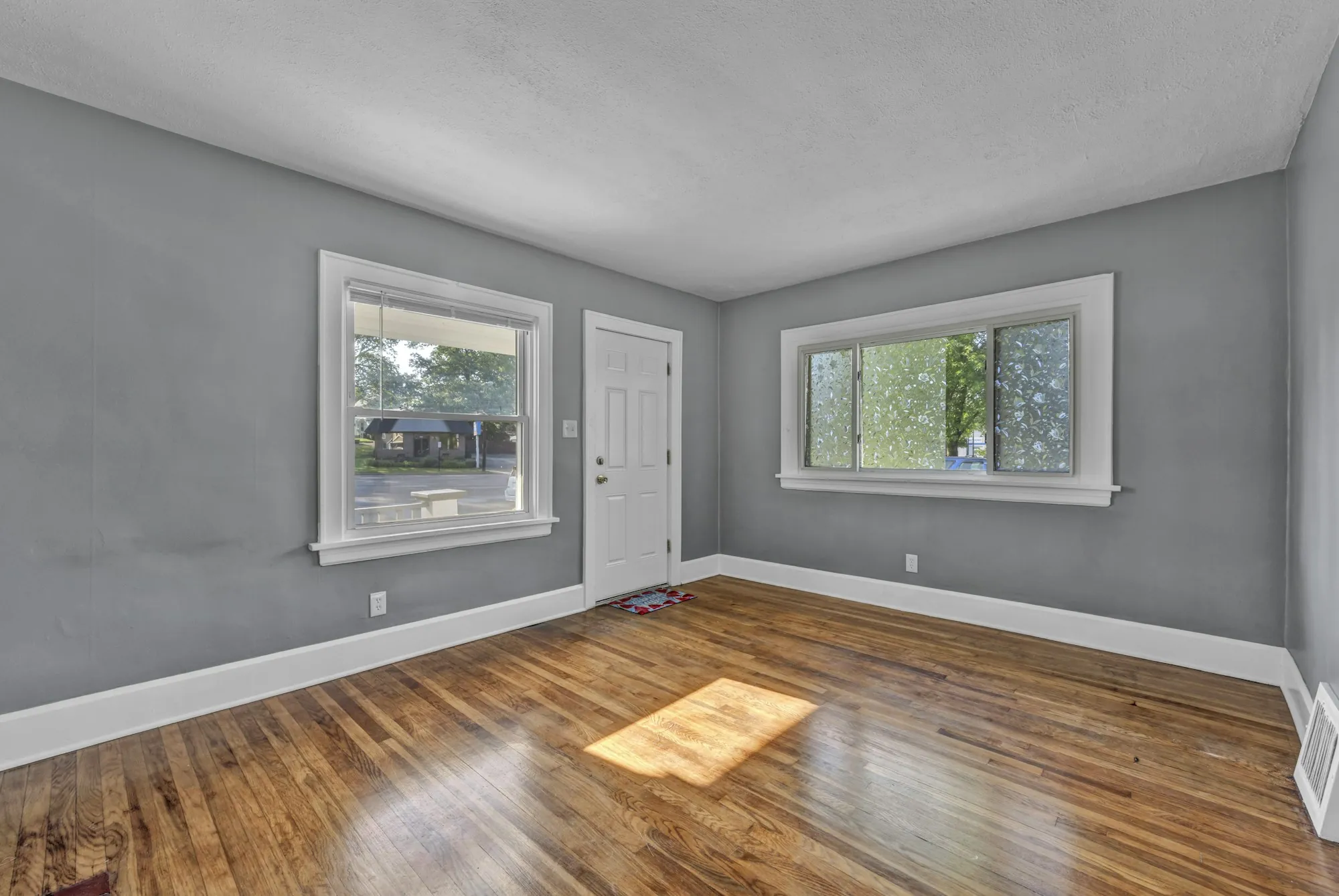
Several rooms or the whole house reworked in one project, with new walls framed true and finishes that match from room to room.
-
Basement Finishing & Remodeling
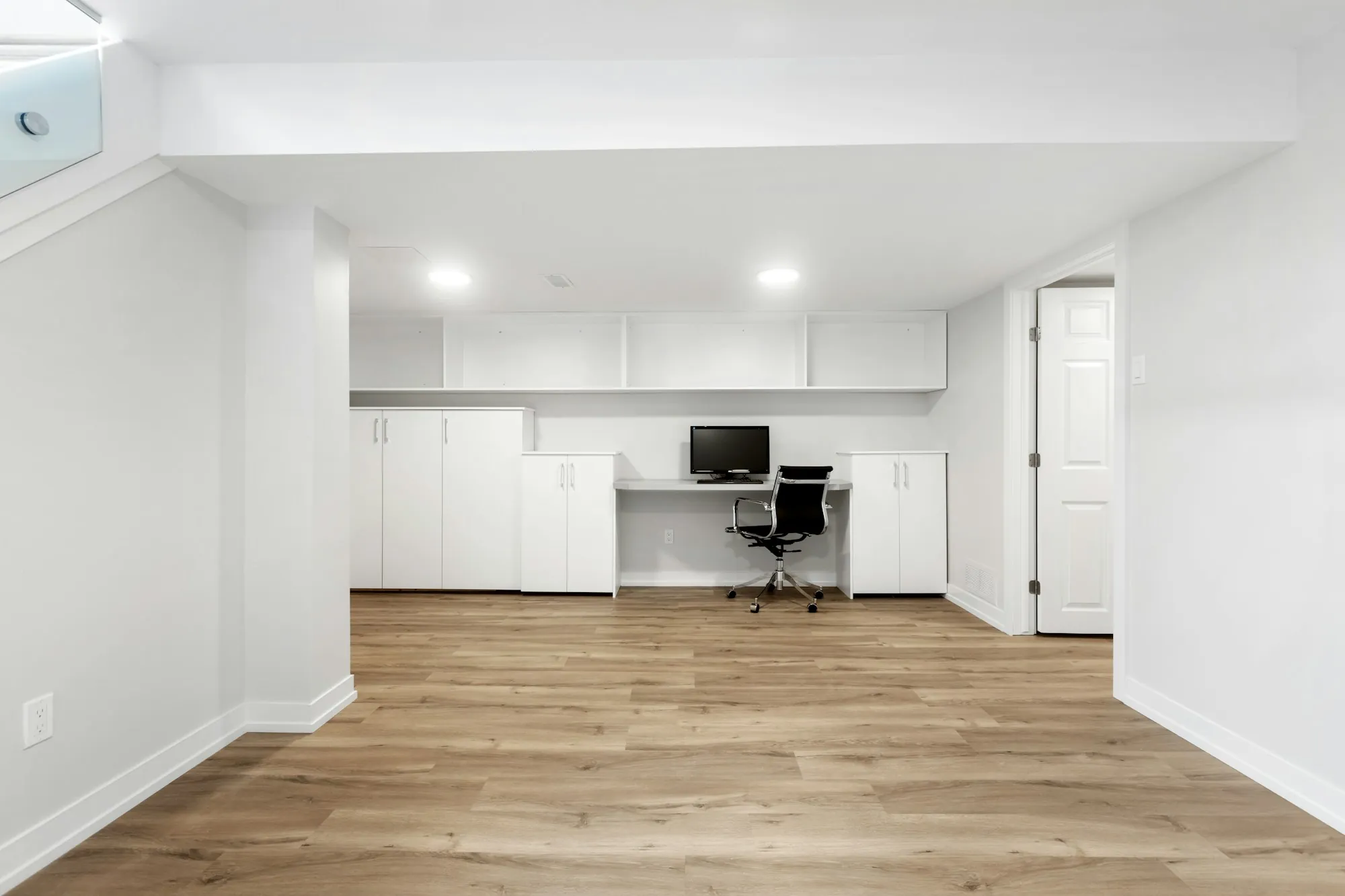
A lower level that feels finished, not converted: moisture handled first, then framing, ceilings and trim done as carefully as upstairs.
-
Bathroom Remodeling
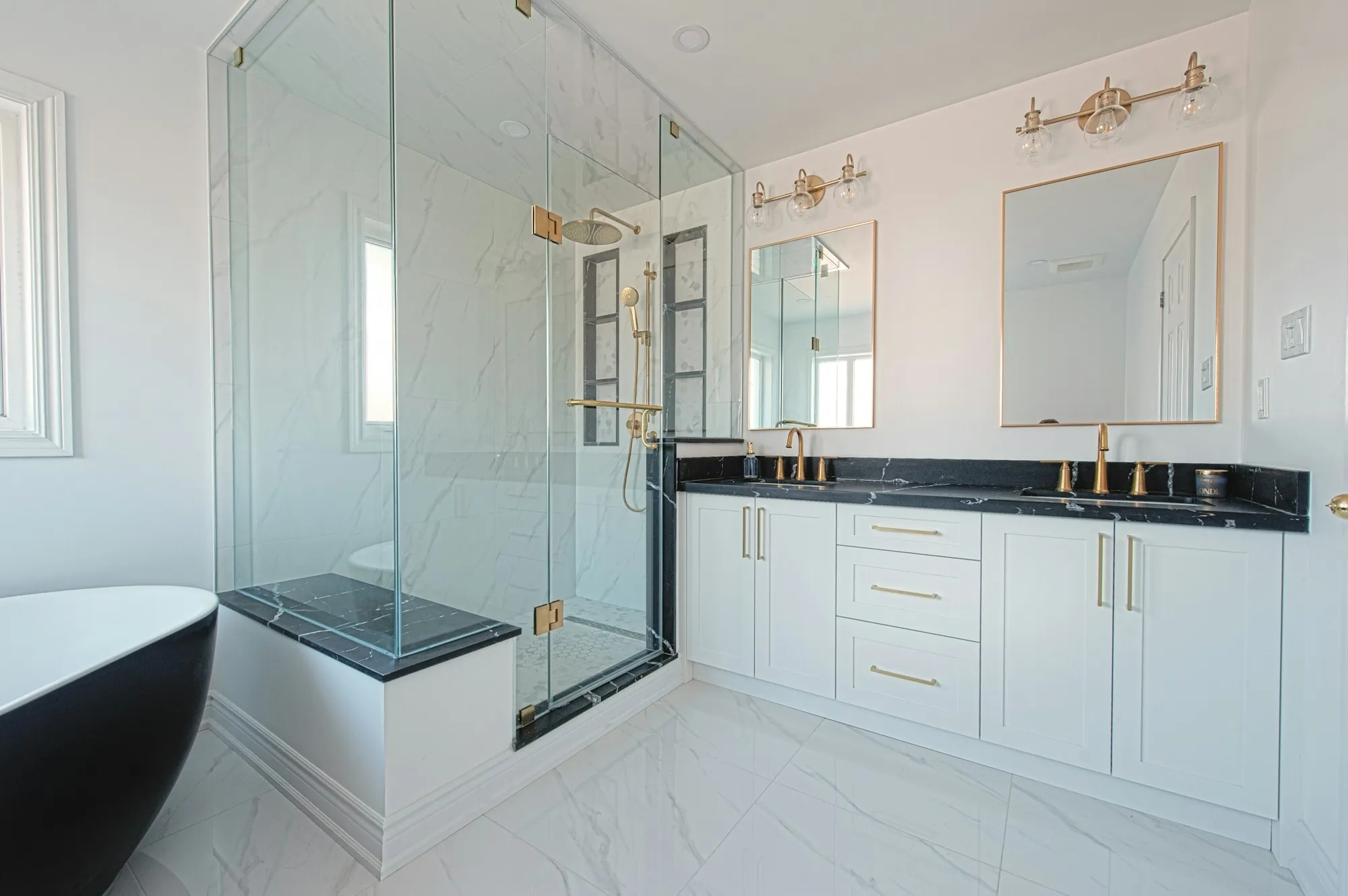
Showers rebuilt or swapped in for a tub, new tile and vanities, all set on waterproofing and a solid base.
-
Kitchen Remodeling
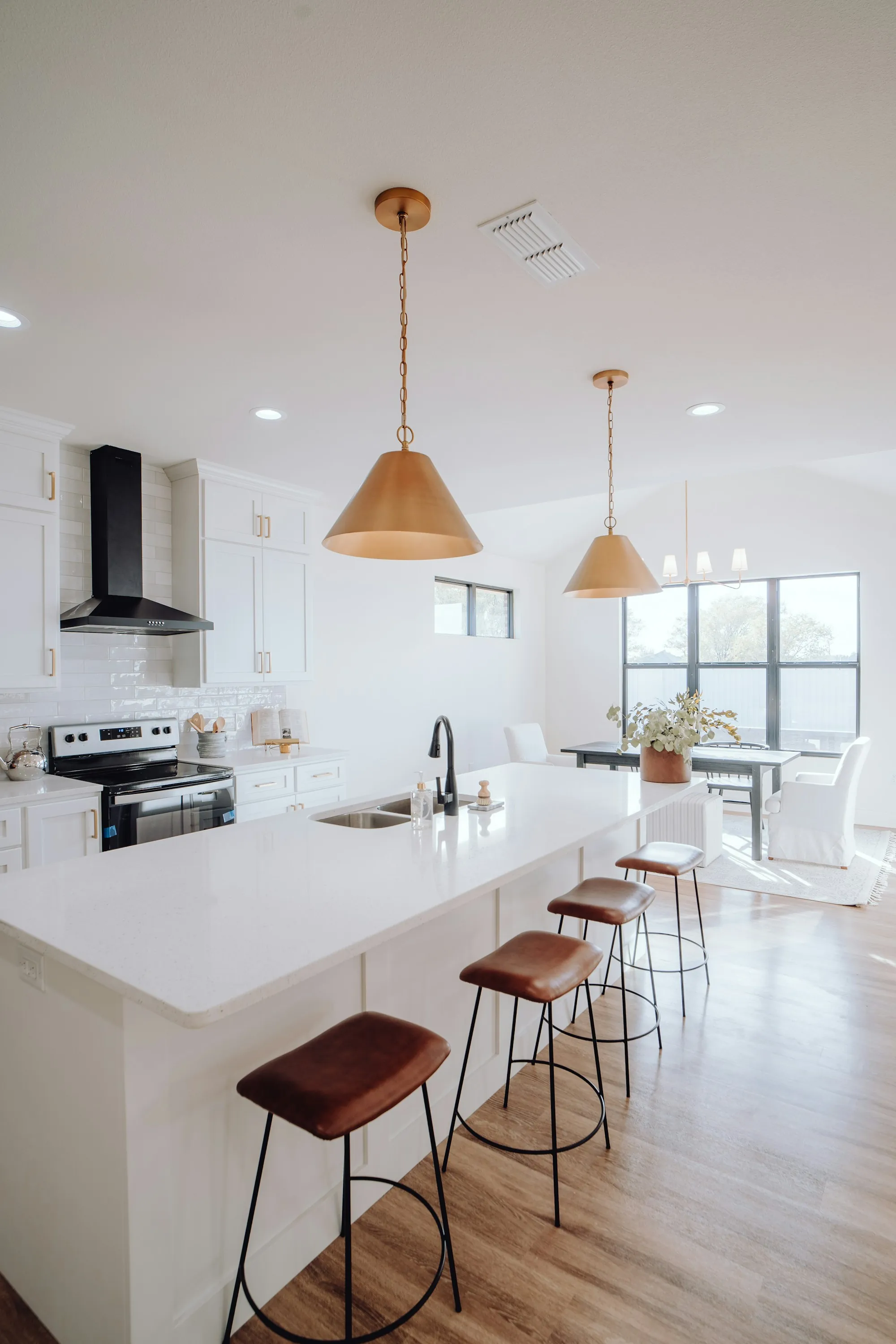
New cabinets, counters and lighting or a fresh layout, installed level and adjusted so every door and drawer runs smoothly.
-
Interior & Exterior Painting
Rooms, cabinets and exterior trim painted over surfaces that were cleaned, filled and primed first, so the color goes on even and stays.
-
Home Additions
Extra square footage built onto your house, with floors lined up at the doorway and finishes chosen to blend with what's already there.
-
ADU Construction
A second, self-sufficient home on your property for family or a tenant, finished with the care you'd want in your own house.


What Keeps the Workmanship Honest
Good finish work depends on how a job is organized as much as on skilled hands. Four habits do that organizing, and everything we build carries a 1-year warranty.
-
Each Trade Inherits Good Work
Framing, tile, trim, paint and the drain and wiring changes inside your remodel all run under one contract with us. When one trade builds on another's work, someone who answers for both checks it first.
-
One Manager, First Visit to Final Check
One project manager handles your job start to finish and takes every question. The same person who heard how you want the room to work is the one who checks, at the end, that it does.
-
Dates Written Down, Steps Not Skipped
Rushed work shows in the finish. Your written schedule gives every stage the days it really needs, regular progress updates keep you current, and when you call, we call back promptly.
-
Hidden Problems Get Priced, Not Buried
A soft subfloor or sagging header can turn up anywhere. When one does, or you want something added, it arrives as a priced change order in writing, and the crew leaves it alone until you sign.
Five Steps, Each One Checked
The visible finish comes last, so most of these steps are about getting what's underneath right.
-
Start on the Phone
Tell us which rooms you want changed, how you use them now and what keeps annoying you about them. We'll ask about the house and say honestly whether the project suits us.
-
A Look Behind the Surfaces
If it's a fit, we come out, measure, and look at what the finish will sit on: framing, subfloor, moisture in a basement, the age of the wiring. That shapes the scope.
-
Scope, Price and Dates in Writing
You get an itemized estimate naming the work and materials, plus a written schedule. Go through it, ask about anything unclear, and sign when it matches the job you want.
-
Build It, Checking as We Go
Your project manager runs the trades in order and keeps you posted. Rough work is checked before it's closed in, and inspections happen wherever your project calls for them.
-
Try Everything Together
At the end we go through each room with you, opening doors and drawers, running water and flipping switches. Anything that sticks, drips or sits crooked goes on a list and gets fixed.
Had a Remodel That Didn't Hold Up?
Maybe a past project left you with a vanity drawer that rubs or a shower that puddles in one corner. Tell us what went wrong, and we'll explain how we'd build it differently.
(000) 000-0000 — tell us what failed last timeOur Part of Walton and Gwinnett
Loganville is home base, with Monroe, Snellville, Grayson, Walnut Grove and Social Circle all close by. That closeness means your project manager can see the work while walls are still open.
See each town we serve- Loganville
- Monroe
- Snellville
- Grayson
- Walnut Grove
- Social Circle
Good Questions to Ask a Remodeler
What remodel will add the most value to our house?
Start with how long you'll be there. Selling within a few years? The kitchen and main bath carry the most weight with buyers. Staying put? The best value is space you'll use, such as a basement turned into a family room. Shoddy work hurts value in any room, and resale prices follow the market, so we won't put a number on the payback.
How will I hear about progress once work starts?
From your project manager, the same person who came out for the first visit. You'll have a written schedule before day one, regular updates as stages finish, and a heads-up the moment something shifts the calendar. When you call with a question, expect a prompt call back rather than days of guessing.
How do we get the house ready for the crew?
Think of it in three parts. Empty the work area, closets and walls included. Clear a route from the entry our crew will use, and decide where pets and parked cars go. For a kitchen job, move a microwave and coffee maker to another room so you can still eat at home. A few days out, we'll call to walk through what's left to move.
What's an ADU, and could one fit on my property?
ADU stands for accessory dwelling unit: a second, self-contained home on a single-family lot. To count, it has to work on its own, with somewhere to sleep, cook and shower and a door of its own. Backyard cottages, attached suites and garage conversions all qualify. Local zoning sets whether your lot can have one, how large it can be and who may live there, so we check that first.
What protects the rest of my house while you work?
Before tear-out, the floors along the crew's route get covered and the work area is closed off with plastic sheeting at the doorways. Air vents in the work zone are covered so dust doesn't travel through the ducts. Debris goes out daily, and the area is swept before the crew goes home. Finished surfaces get protected too, since a dented new cabinet is our problem as well.
Where does the money go in a bathroom remodel?
Mostly into three things. First, whether fixtures stay put or move, since a relocated drain means cutting floor and new pipe. Second, the shower itself: tile height, glass, a niche or bench. Third, the vanity, faucets and lighting you pick. Rot under the old floor can add to it once exposed. Each piece gets its own line in the written estimate, so you can trade one against another.
How many weeks does a kitchen remodel usually take?
Plan on several weeks of construction for most kitchens, longer if a wall comes out or the sink moves to an island. The clock starts when the cabinets arrive, so we order them early and leave your old kitchen working until then. The exact span depends on your scope, and the schedule you sign shows which weeks the kitchen will be out of use.
Builders Who Sweat the Small Stuff
We're a remodeling company that measures a job by how it works long after we leave: drawers that still run smooth, a shower that drains, a stair that doesn't creak. That comes from careful work in the layers you won't see, run under one contract with one person in charge.

Start With What Annoys You
A drawer that jams, a shower that never quite drains, a basement nobody goes down to. Those everyday irritations are the best starting point. On the call we'll talk about what fixing them involves and which choices weigh most on cost.
List the annoyances for us at (000) 000-0000